
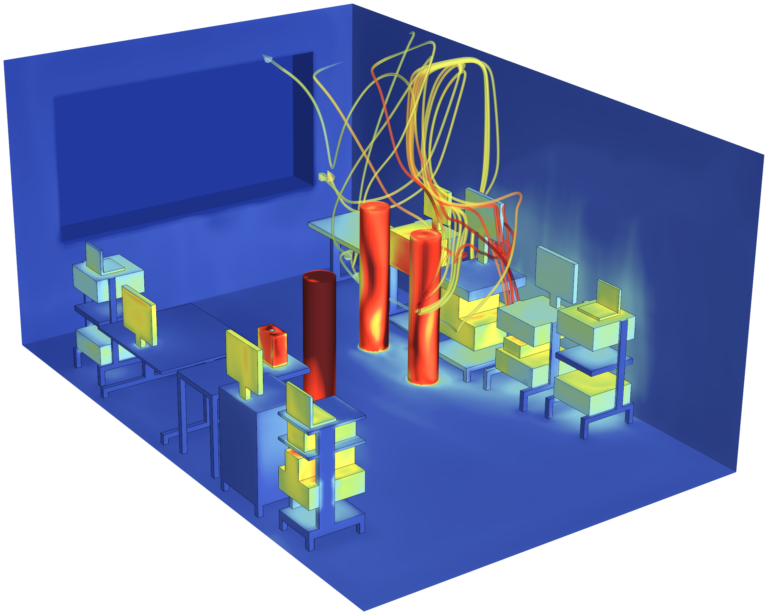
Laboratory buildings have exceptionally high energy demands — often many times higher than offices — due to strict safety and air quality requirements. At the Max Delbrück Center (MDC) in Berlin, for example, around 80% of energy use in the Max Delbrück Haus (MDH) is tied to air handling systems, primarily in the form of electricity for moving air and thermal energy for heating and cooling intake air.
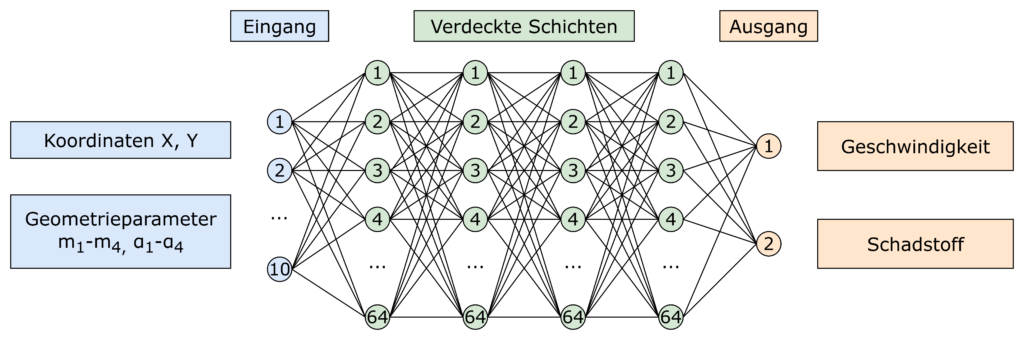
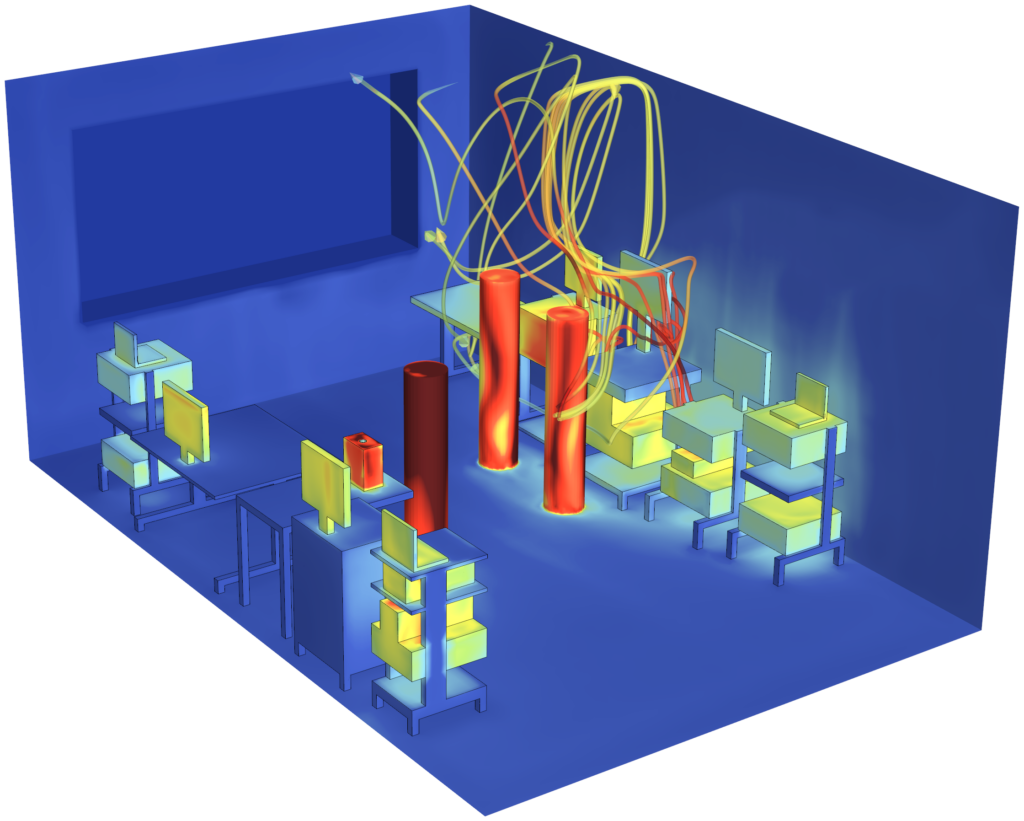
The goal is to transform the MDH into a climate-neutral, low-energy laboratory building and cut CO₂ emissions by up to 3,000 tons per year. To achieve this, the project combines advanced airflow concepts with AI-based methods to safely reduce air volumes, minimise pressure losses and design smart controls that balance renewable energy, waste heat and indoor climate needs. This makes it possible to avoid time-consuming, case-specific simulations by using fast, AI-based tools that streamline planning and operation. By automating the optimisation of ventilation and energy flows, these tools facilitate the design and operation of systems tailored to the specific demands of each building. In doing so, the project sets the stage for scalable solutions that can be quickly transferred to other laboratory and research facilities.
An 850 m² demonstration area tests these innovations under real conditions to ensure safety and indoor climate standards are met. Backed by the Helmholtz Kompetenznetzwerk Klimagerechtes Bauen and industry partners, the project aims to bring “Renewable-Ready” air handling systems to life — not just at the MDC, but in laboratories and research buildings everywhere.
| Project term: | May 2025 – April 2028 |
| Funding code: | 03EN1109 |
| Project management: | Alexander Neubauer |